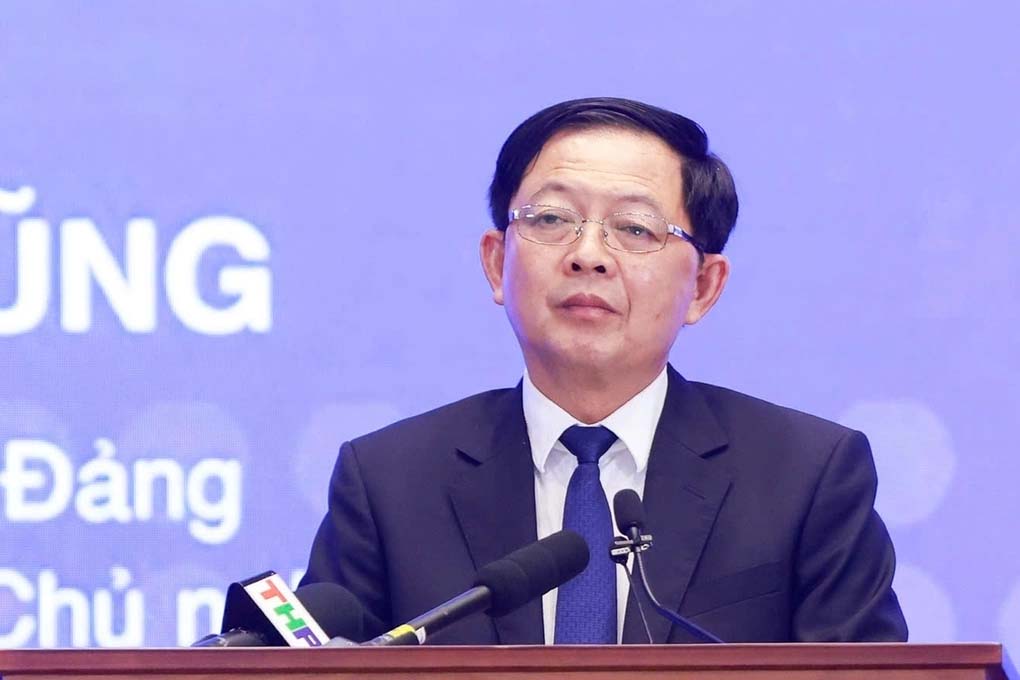
According to Deputy Prime Minister Hồ Đức Dũng, logistics is not just a support service, but an important part of the national economic infrastructure, directly determining the competitiveness of the entire economy.
On the afternoon of September 21, the 7th Regional Logistics Forum 2026 took place in Hai Phong with the theme of creating a new development space for the Red River Delta region.
Rapid growth but costs are still high
Vietnam’s logistics sector is developing quickly. According to the Vietnam Chamber of Commerce and Industry (VCCI), the market size is currently around 45-50 billion USD, equivalent to 10% of GDP. With an average growth rate of 14-16% per year (more than twice the GDP growth), Vietnam is now among the Top 10 emerging logistics markets and ranks 4th in the ASEAN region for the Logistics Performance Index (LPI).
However, logistics costs (though they have decreased) still account for about 16% of GDP, which is quite high compared to global levels. Forum participants believe the main reason comes from a serious imbalance in the transportation structure and a dispersed infrastructure system.
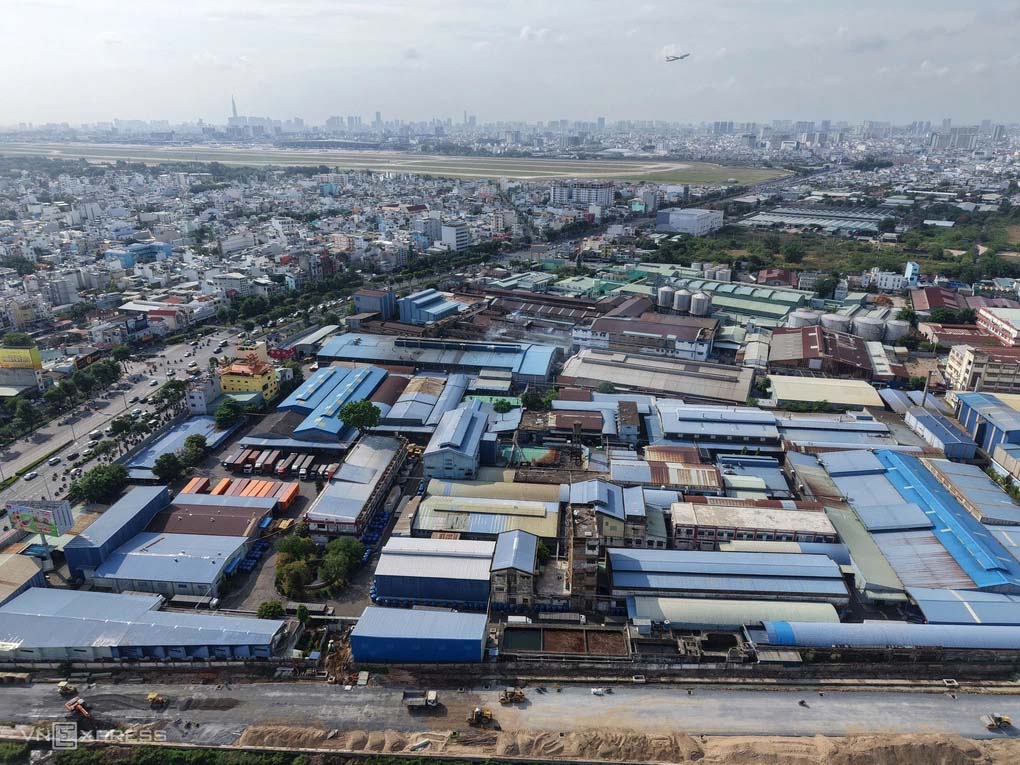
According to Mr. Trần Tiến Dũng, Chairman of the Hai Phong Logistics Association, currently road transport still carries over 98% of goods connecting from seaports to localities, warehouses, and factories. Meanwhile, rail and inland waterways haven’t yet taken full advantage of transporting large volumes cheaply. As a result, there are traffic jams, high costs per unit of goods, and a lack of synchronization between production areas and dry ports.
In addition, some delegates also mentioned that many maritime laws were enacted 10-20 years ago and are no longer suitable. For example, the regulation limiting the age of imported ships (currently set at 17 years). Businesses are proposing to relax this to allow the import of large ships (over 1,500 TEU) with an age of up to 25 years.
VCCI Chairman Hồ Sỹ Hùng also emphasized that improving the business environment in the logistics sector needs to be viewed across the whole chain, from planning, investment, seaports, transportation, customs, specialized inspections, warehousing, to electronic transactions and payment activities. ‘Every hour cargo waits is a cost, every overlapping procedure is also a cost, every broken link between road and rail or water and sea becomes a cost for businesses. And in the end, all these costs add up to the cost of the economy,’ he said.
Solutions to Remove Bottlenecks
Deputy Prime Minister Ho Duc Dung emphasized that logistics is not just a support service industry, but should be seen as an important part of the national economic infrastructure, directly determining the competitiveness of goods, businesses, and the economy as a whole.
To achieve the goal of the Logistics Development Strategy by 2035 to reduce costs to 12-15% of GDP, the Deputy Prime Minister called on ministries, sectors, and localities to immediately shift their mindset from ‘management and support’ to ‘creation and service.’
He also particularly stressed that the implementation of the national logistics strategy must be substantial. ‘Absolutely do not focus on quantity, but concentrate on the ultimate goal of reducing logistics costs for the economy as a whole, for each business, and for each product.’
According to him, developing logistics infrastructure should be synchronized with the planning and investment in national and regional transportation infrastructure, as well as in different regions and localities. The requirement is to plan with a long-term, scientific vision, carry out synchronized and efficient investments, and enhance the connectivity between different modes of transport and the logistics system. The Deputy Prime Minister suggested that it is necessary to continue reviewing the legal system related to logistics, multimodal transport, maritime, waterways, customs, trade, e-transactions, and investment. Improving institutions and laws must follow the principle of clear and consistently understood regulations, simple procedures with specific responsibilities, logistics-related data being connected and shared effectively; enterprises should find it easy to comply, and state agencies should find it easy to check and supervise.
“The government will continue to improve institutions, develop infrastructure, enhance the business investment environment, and create the most favorable conditions for companies that invest seriously, long-term, and sustainably in Vietnam,” Deputy Prime Minister Hồ Quốc Dũng affirmed.
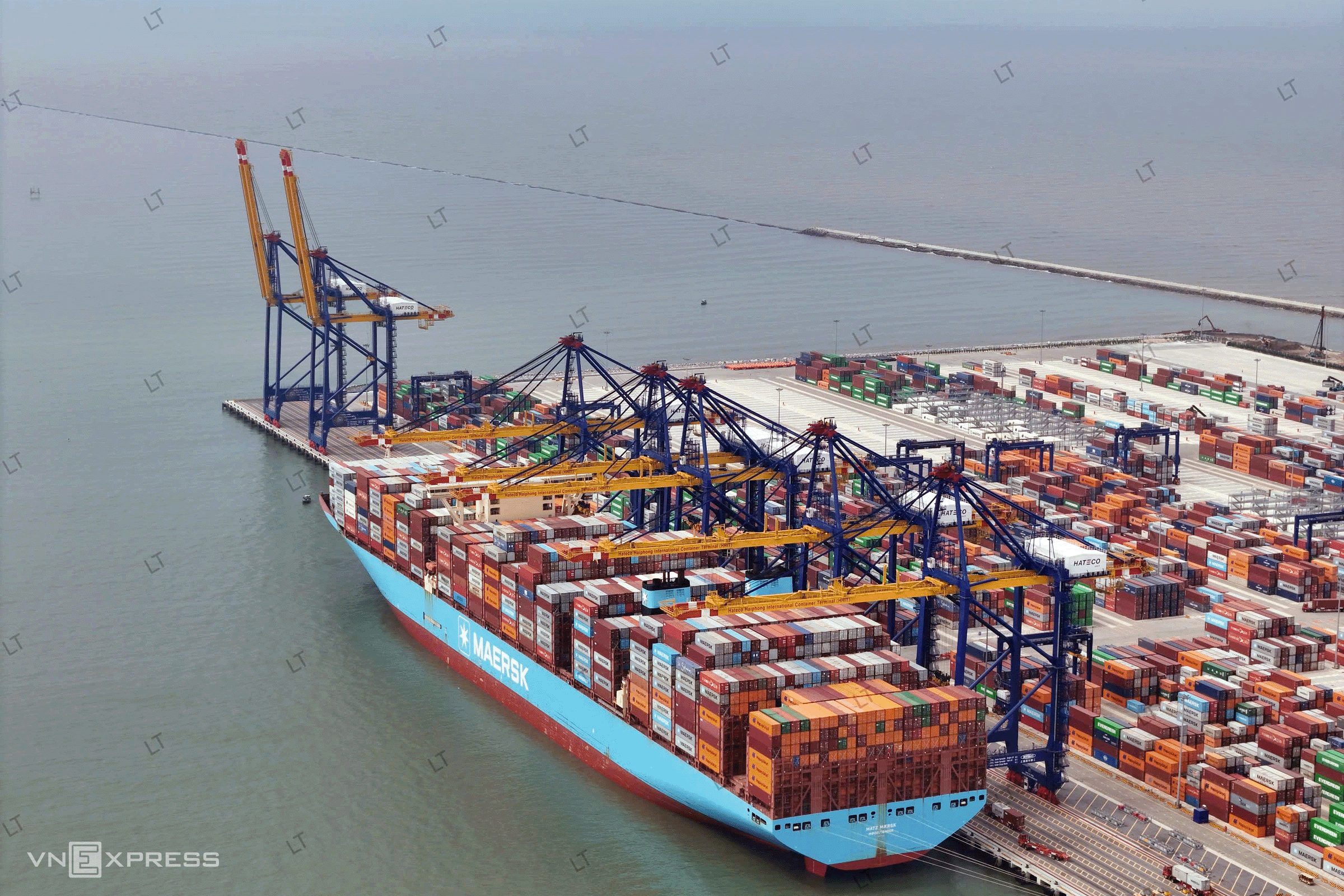
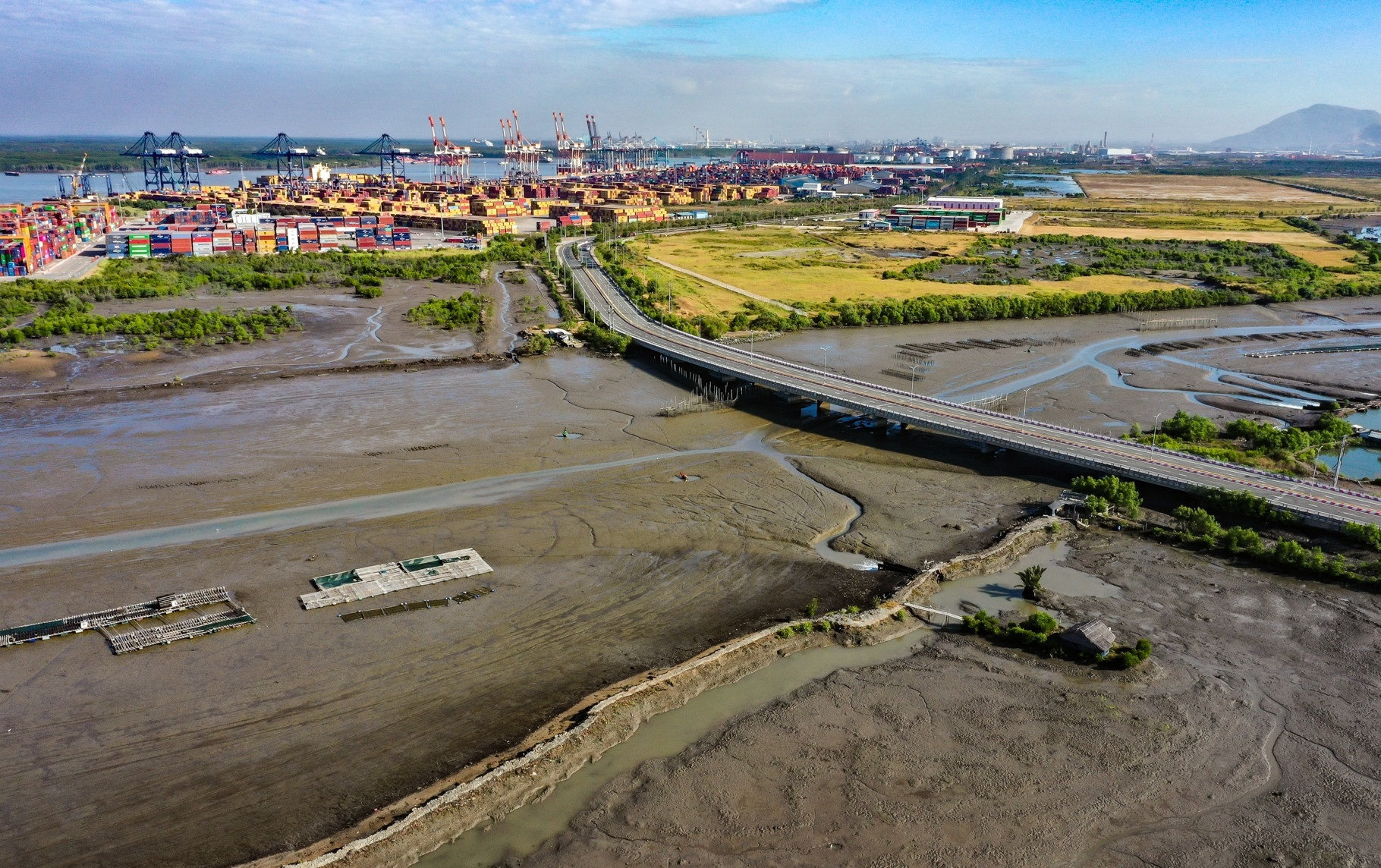
He also clearly outlined the plan to focus on developing Vietnam’s seaport system into a central hub for the logistics and maritime economy, in a modern, green, and smart direction. Priority will be given to developing gateway ports such as Lạch Huyện and Nam Đồ Sơn in the North; Đà Nẵng, Vân Phong, and Quy Nhơn in the Central region; and Cát Lái, Cái Mép – Thị Vải, and Hòn Khoai in the South. At the same time, the aim is to attract major shipping lines, international port operators, regional distribution centers, global logistics companies, and technology investors for long-term operations in Vietnam.
In particular, he emphasized the need to shift thinking and actions from developing logistics based on administrative boundaries to organizing logistics according to economic regions, economic corridors, and supply chains. This is a very important requirement in the mindset for developing the six socio-economic regions as outlined in the Party Central Committee’s resolutions. “The logistics sector doesn’t have administrative boundaries, so each locality can’t independently build a closed logistics system; it has to be synchronized, connected, and efficiently shared,” the Deputy Prime Minister said.
Le Tan