Ho Chi Minh City is aiming to develop a network of core logistics centers in 10 areas, from Cat Lai, Long Binh, Linh Trung to Hiep Phuoc, Cu Chi, Hoc Mon, and Tan Son Nhat Airport.
This direction was outlined in the resolution on the free trade zone and integrated logistics zone, which the HCMC People’s Council approved at the special session on October 30. The logistics center network will connect industrial zones and production areas with seaports, airports, and markets, aiming to lower transportation costs and reorganize the flow of goods.
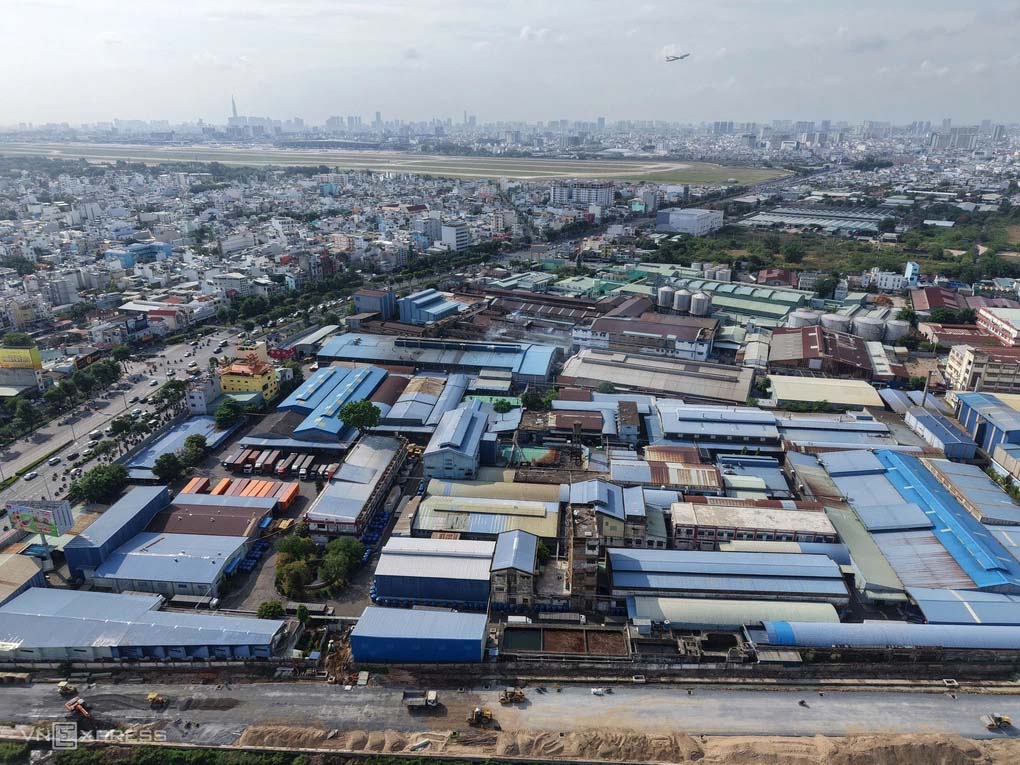
According to the plan, the 10 areas identified by the city to form the core logistics network include Cat Lai, Long Binh, Linh Trung, High-Tech Park, Tan Kien, Hiep Phuoc, Cu Chi, Hoc Mon, Binh Khanh, and the area around Tan Son Nhat International Airport.
The locations are spread across many areas, linked to the city’s production, trade, and transportation hubs. This network aims to connect goods from industrial zones and production areas to seaports, airports, and inter-regional transport routes. This way, goods can be gathered, sorted, stored, processed, and transferred at suitable hubs, limiting unnecessary transportation or taking heavy trucks deep into the urban area.
According to the Ho Chi Minh City government, after the merger, the city is home to about 60-70% of the country’s logistics companies, with over 15,300 businesses operating in logistics, transportation, warehousing, bonded warehouses, seaports, and related services.
However, the logistics system still has many limitations in terms of costs, space organization, and infrastructure connectivity. Warehouses are scattered, small in scale, and there is a lack of major distribution centers and logistics hubs. Freight transport relies heavily on roadways, while the connection between roads, inland waterways, railways, seaports, and air transport is not yet synchronized.
Vietnam’s logistics costs are currently around 16-17% of GDP; transport costs can account for 50-70% of total logistics costs depending on the sector and mode of transport. For some sectors like seafood and agricultural products, logistics costs can account for 20-25% of the cost of goods, affecting the competitiveness of products.
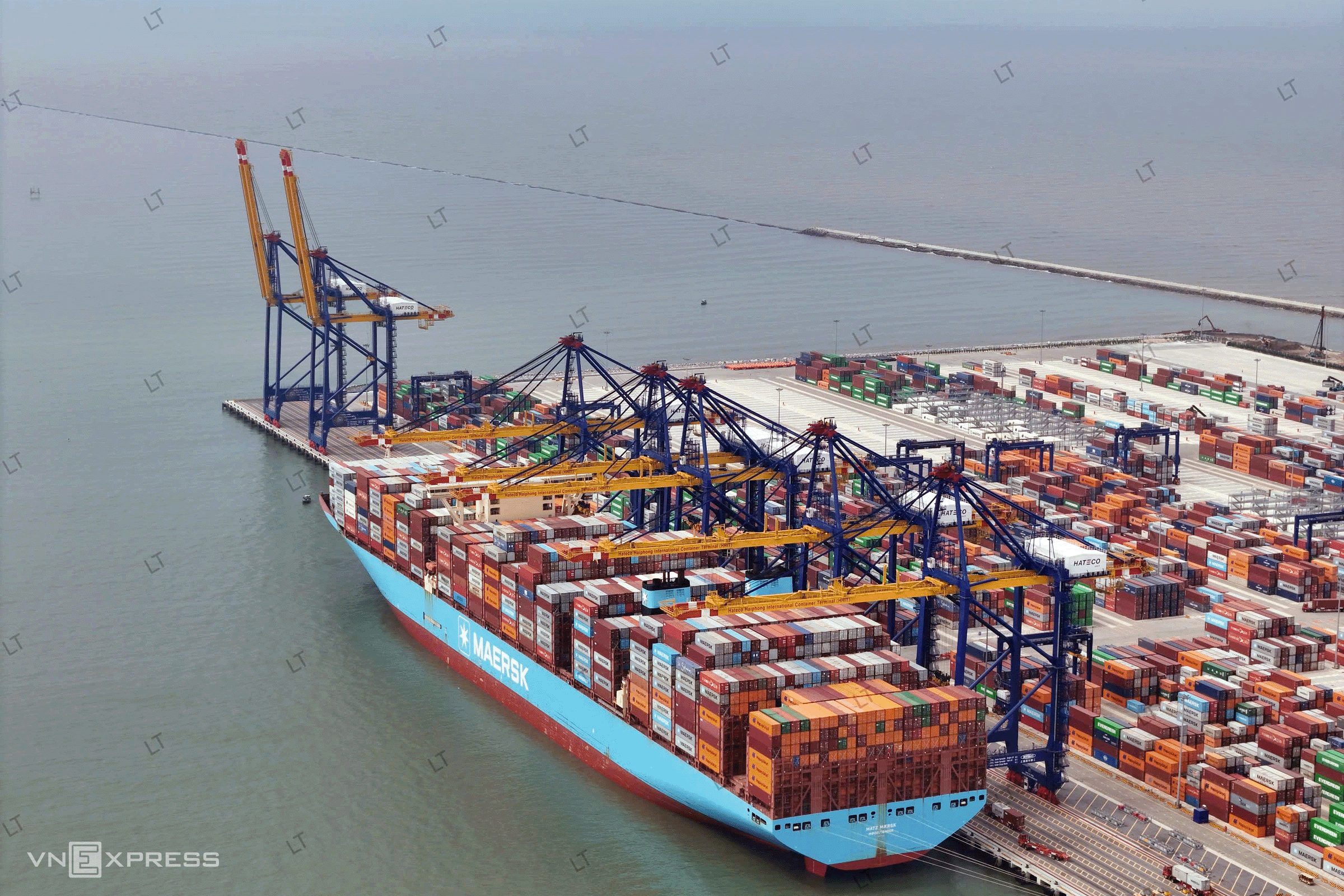
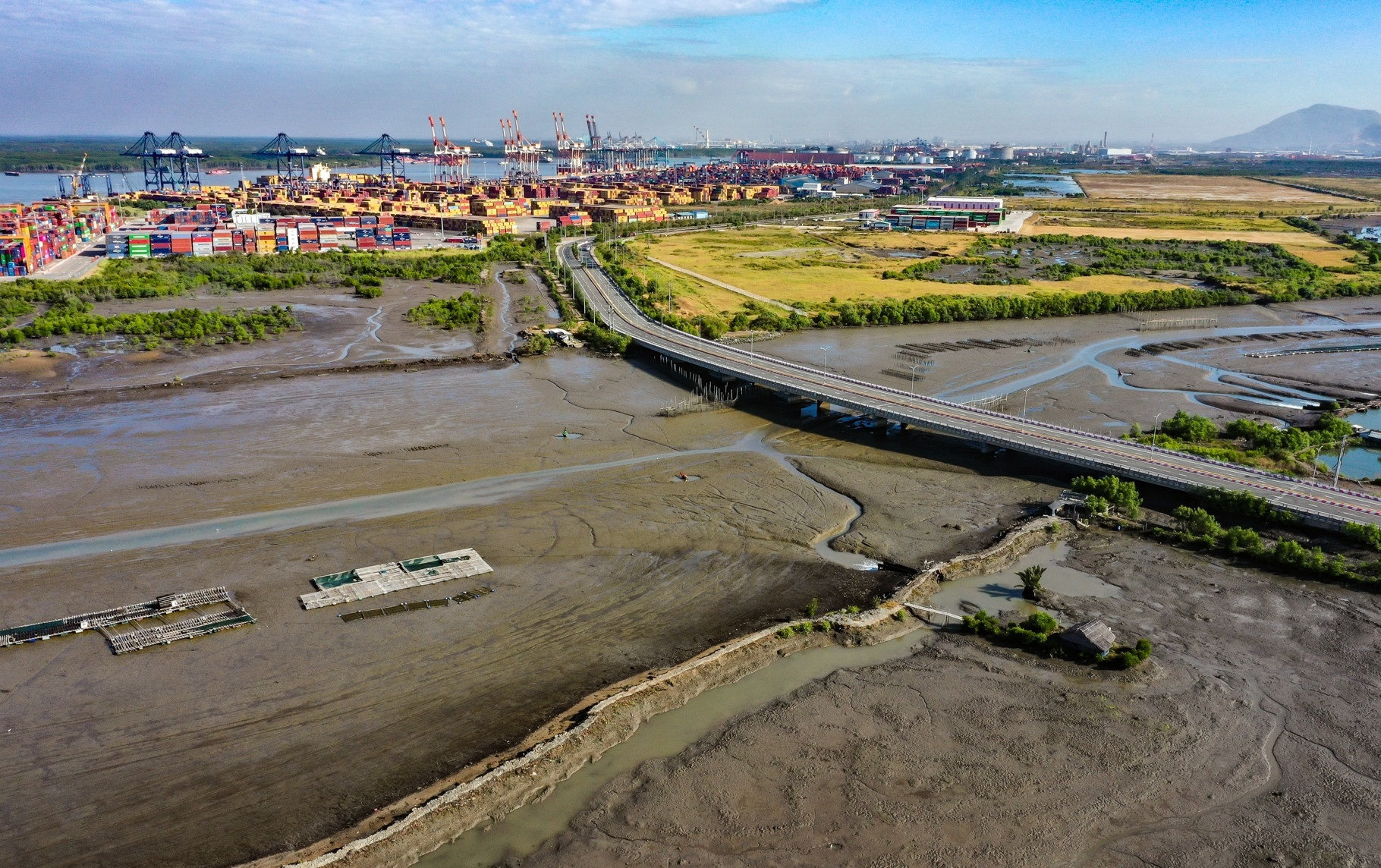
Transportation pressure is expected to rise as the city has 105 planned export processing and industrial zones, with a total area of about 50,288 hectares. Along with that, the Cái Mép – Thị Vải port cluster, Cần Giờ international transshipment port, Tân Sơn Nhất airport, and Long Thành airport are forecasted to continue increasing cargo flow, as well as interregional and international transport demand.
Therefore, the city is setting up large enough hubs that integrate multiple functions to reorganize the flow of goods, make efficient use of transportation infrastructure, and reduce the pressure of heavy cargo transport through urban areas. The network also aims to apply technology, digital management, automation, and develop green logistics.
Ho Chi Minh City will have two models of integrated logistics zones: one within the free trade zone and one operating independently outside of it. Depending on the specifics, the setup time will vary, but it won’t take more than 30 days from collecting opinions from relevant departments to getting the permit.
Investment projects for building infrastructure in integrated logistics zones are exempt from land lease fees and can get interest rate support on loans from the city budget for up to 7 years.
Along with the development of a logistics hub network at 10 key points, the city has created a free trade zone covering more than 4,165 hectares linked to the Cai Mep Ha seaport. This model integrates multiple functions, including logistics, industry, trade and services, training, research and development (R&D), focused digital technology, data centers, and duty-free areas.
According to the city authorities, the two models complement each other. While the free trade zone provides space to attract investment, production, trade, import-export, and value-added services, the integrated logistics area offers infrastructure to gather, store, process, distribute, and transfer goods.
Le Tuyet